Introduction
Jageshwar, a small yet historically significant town in the Almora district of Uttarakhand, is renowned for its ancient temples, rich cultural heritage, and spiritual significance. Nestled amidst dense deodar forests and situated at an altitude of approximately 1,870 meters above sea level, Jageshwar is a major religious site dedicated to Lord Shiva. It is considered one of the twelve Jyotirlingas by some traditions and is an essential stop on the sacred Kumaon pilgrimage circuit.
Historical Background
Jageshwar’s history dates back over a thousand years, with its temples built between the 7th and 12th centuries AD. The region was a significant religious and cultural hub during the Katyuri dynasty’s rule, which governed the Kumaon region from the 7th to the 11th century. Later, the Chand dynasty, which took over in the 16th century, continued to promote and preserve the site.
Many historians believe that Adi Shankaracharya visited Jageshwar in the 8th century AD and contributed to its revival as a center for Shaivism. The temples of Jageshwar display influences from the Nagara style of architecture, with intricate carvings and inscriptions that reflect the artistic excellence of their time.
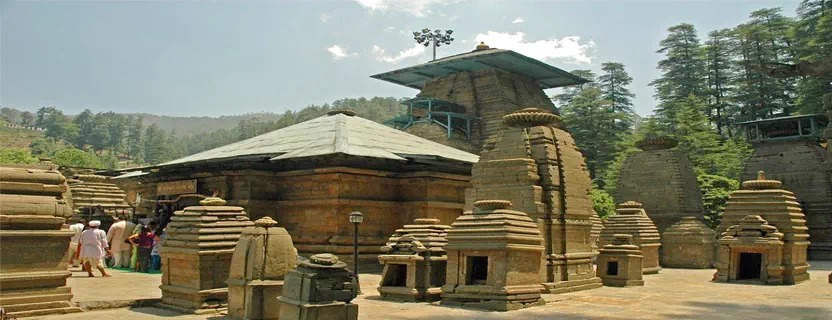
Jageshwar Group of Temples
Jageshwar is home to a cluster of over 125 ancient temples dedicated to various deities, mainly Lord Shiva. Some of the most prominent temples include:
- Jageshwar Mahadev Temple – The main temple dedicated to Lord Shiva, it houses a beautifully carved Shivalinga.
- Dandeshwar Temple – The largest temple in the complex, known for its grand architecture.
- Vriddha Jageshwar Temple – Located at a higher altitude, this temple is believed to be the original site of Lord Shiva worship before the present-day Jageshwar Mahadev Temple was built.
- Surya Temple – Dedicated to the Sun God, this temple reflects the influence of different religious traditions in the region.
The temple complex is protected under the Archaeological Survey of India (ASI) and continues to be an important site for research on medieval Indian temple architecture.
Religious Significance
Jageshwar is believed to be the place where Lord Shiva meditated, making it one of the holiest pilgrimage sites for Shaivites. It is also considered to be the starting point of the Char Dham Yatra in ancient times. Every year, the Jageshwar Monsoon Festival (held in July-August) and the Maha Shivratri Festival attract thousands of devotees from across the country.
Natural Beauty and Tourism
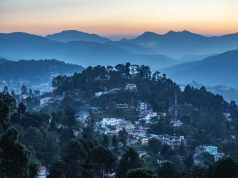
Apart from its spiritual significance, Jageshwar is surrounded by stunning landscapes, making it a perfect destination for nature lovers. The town is located on the banks of the Jata Ganga river, with deodar and pine forests adding to its serene charm. Nearby attractions include:
- Vriddha Jageshwar – A short trek leads to this temple, offering breathtaking views of the Himalayas.
- Dandeshwar Temple Complex – An extension of the main Jageshwar group, known for its historical and architectural splendor.
- Patal Bhuvaneshwar – A mystical cave temple dedicated to Lord Shiva, located about 90 km from Jageshwar.
Conclusion
Jageshwar is a remarkable blend of history, spirituality, and natural beauty. Whether you are a history enthusiast, a spiritual seeker, or a nature lover, this ancient town offers a unique and enriching experience. With its well-preserved temples, breathtaking landscapes, and deep-rooted cultural heritage, Jageshwar stands as a timeless testament to India’s spiritual and architectural brilliance.
If you are planning a visit to Uttarakhand, Jageshwar should undoubtedly be on your itinerary!