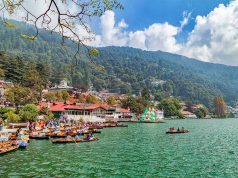
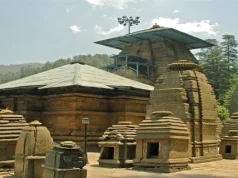
Nestled in the Kumaon region of Uttarakhand, Almora is a picturesque hill station known for its rich cultural heritage, stunning landscapes, and deep historical significance. Unlike other British-established hill stations, Almora was founded much earlier and has been a hub of trade, governance, and spirituality for centuries.

Historical Background
Almora’s history dates back to ancient times, with references in Hindu scriptures such as the Skanda Purana. The region was originally ruled by the Katyuri dynasty (7th–11th century), who were the first to establish a structured administration in Kumaon. After the decline of the Katyuris, the Chand dynasty took control in the 16th century, making Almora their capital in 1568.
King Kalyan Chand played a crucial role in shaping Almora, fortifying the town, and promoting trade and art. Under the Chand rulers, Almora flourished, becoming a center for culture and governance. Numerous temples and architectural marvels were built during this period, many of which still stand today.
In 1790, the Gorkhas of Nepal invaded Almora, ruling the region until 1815. The British East India Company later took control, marking the start of the colonial era in Almora. The British influence led to infrastructural development, but Almora retained its traditional charm and cultural identity.

Cultural and Spiritual Significance
Almora is known for its deep spiritual roots. The region is home to several ancient temples, including:
- Kasaar Devi Temple – A famous spiritual site visited by Swami Vivekananda and other notable personalities.
- Nanda Devi Temple – A revered temple dedicated to Goddess Nanda, deeply associated with Kumaoni traditions.
- Chitai Golu Devta Temple – Dedicated to the deity Golu Devta, known as the “God of Justice,” where devotees offer bells as a mark of faith.
The town has also been a source of inspiration for intellectuals and freedom fighters, including Swami Vivekananda, Mahatma Gandhi, and Rabindranath Tagore, who visited and spent time in Almora.
Modern-Day Almora
Today, Almora is a blend of history and modernity. Its vibrant bazaars, such as Lala Bazaar, still reflect the rich cultural traditions of the past. The town is famous for handicrafts, woolen products, and local delicacies like Baal Mithai and Singauri.
Almora is also a gateway to several tourist attractions, including Binsar Wildlife Sanctuary, Jageshwar Dham, and Ranikhet. Its serene environment, panoramic views of the Himalayas, and deep-rooted history make it a must-visit destination for travelers seeking peace and cultural enrichment.
Conclusion
Almora is not just a hill station; it is a living testament to the history, spirituality, and traditions of Kumaon. Whether you are a history enthusiast, a nature lover, or a seeker of peace, Almora offers a unique blend of heritage and natural beauty that continues to captivate visitors from around the world.